


The best way to tell if a cat is in pain is to watch for subtle changes in behavior such as hiding more than usual, changes in posture, reduced grooming, or reluctance to jump, since cats are naturally skilled at masking discomfort. At Blue Mountain Animal Clinic in Sequim, we often remind cat owners that pain in cats rarely looks dramatic; it tends to show up in quiet, easy-to-miss ways instead. Because cats hide pain so effectively, it helps to know how to tell if a cat is in pain by knowing their normal habits well so you can notice when something shifts. Even small changes are worth paying attention to.
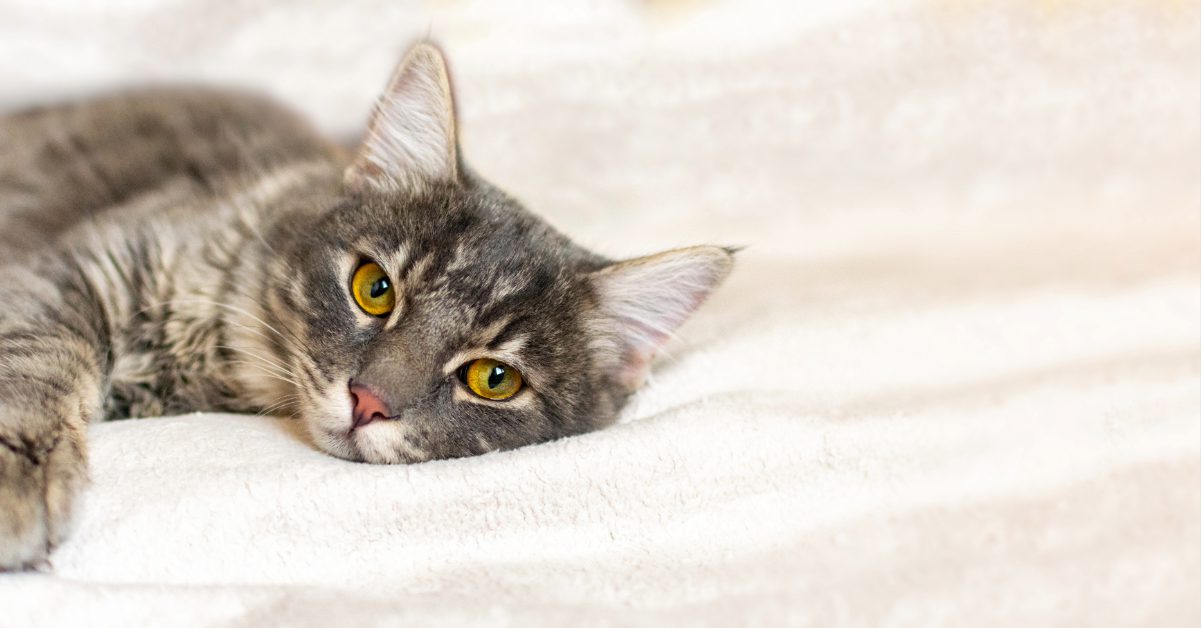
Why Do Cats Hide Pain So Well?
Cats are instinctively wired to conceal weakness, a survival trait carried over from their wild ancestors, where appearing vulnerable made them a target for predators. This means a cat in pain often continues eating, using the litter box, and interacting with the family, just in slightly altered ways that are easy to overlook if you’re not looking closely.
Why This Makes Pain Harder to Catch
Unlike dogs, cats rarely vocalize or limp dramatically when something hurts. This is part of why cat pain often goes unnoticed until it becomes more advanced, which makes routine observation at home genuinely valuable. Even experienced cat owners can miss the early signs, since a cat’s instinct to appear unaffected is strong enough to override obvious discomfort in many cases.
Acute Pain vs. Chronic Pain
Acute pain, like from an injury or sudden illness, tends to bring on a fairly quick, noticeable shift in behavior, such as hiding immediately after an incident or reacting strongly when a specific area is touched. Chronic pain, like arthritis or ongoing dental disease, builds gradually, which makes it easy to mistake for your cat simply “slowing down with age” rather than something that’s actually treatable.
What Are the Physical Signs of Pain in Cats?
Certain physical changes can indicate a cat is in pain, even without an obvious injury. Watch for the following:
- A hunched posture or tucked-in stance
- Squinting or partially closed eyes
- Flattened ears held sideways or back
- Reduced grooming, leading to a matted or unkempt coat
- Limping or reluctance to jump onto furniture
- Changes in appetite or water intake
- Weight loss
Facial Expressions and Body Language
Squinted eyes, a tense muzzle, and flattened whiskers are frequently early indicators worth noting. A relaxed cat typically has round, forward-facing whiskers and an open, alert expression, so a face that looks tighter or more drawn than usual is worth a second look, even if your cat seems otherwise fine.
What Behavioral Changes Suggest a Cat Is in Pain?
Behavior changes are often the most reliable sign that a cat is in pain, especially for owners who know their cat’s normal routine well. A cat that suddenly avoids affection, hides more than usual, or becomes irritable when touched in a specific spot may be telling you something hurts.
Litter Box and Sleep Changes
Straining in the litter box, accidents outside of it, or sleeping noticeably more than usual can all be linked to pain, particularly with conditions like arthritis or urinary issues. These changes are easy to attribute to “just getting older,” but they’re worth mentioning to your veterinarian regardless of your cat’s age.
Changes in Activity and Social Behavior
A cat in pain may stop jumping onto favorite perches, avoid stairs, or spend more time alone instead of near family members. Some cats become unusually clingy instead of withdrawn, so the key thing to watch for isn’t necessarily a specific behavior, but any noticeable departure from what’s normal for your individual cat.
Can Purring Mean a Cat Is in Pain?
Yes, while purring is often associated with contentment, cats also purr when stressed, anxious, or in pain, likely as a self-soothing mechanism. Don’t rule out pain just because your cat is purring; look at the full picture of their posture, appetite, and behavior instead.
What Should I Do If I Think My Cat Is in Pain?
If you notice any combination of the signs above, schedule an exam with Blue Mountain Animal Clinic rather than waiting to see if things improve on their own. Because cats mask pain so well, symptoms that are noticeable to you often mean the discomfort has been present for a while already.
What to Expect at the Vet Visit
Our veterinarians will perform a full physical exam, checking joints, teeth, and abdomen for sources of discomfort, and may recommend bloodwork, X-rays, or other diagnostics depending on what’s found. Sharing specific details about the changes you’ve noticed at home is genuinely helpful for narrowing down the cause, so keeping a quick mental or written log of what you’ve observed and when it started can make a real difference during the appointment.
Common Causes of Pain in Cats
Cat pain can stem from a wide range of sources, some more obvious than others:
- Dental disease
- Arthritis, especially in senior cats
- Urinary tract issues or blockages
- Injuries from falls or fights
- Internal conditions like pancreatitis
- Abscesses
Why Senior Cats Need Closer Attention
Arthritis is remarkably common in older cats, with studies suggesting the majority of senior cats show some degree of joint degeneration, yet it’s frequently missed because cats compensate so well. Watching for subtle mobility changes, like hesitating before a jump they used to make easily, is often the clearest window into whether an older cat is quietly dealing with joint pain.
Helping Your Cat Feel Better in Sequim
Learning how to tell if a cat is in pain takes close attention, since cats rarely make it obvious. Trusting your instincts when something feels different about your cat is often the first and most important step. Call Blue Mountain Animal Clinic at (360) 457-3842. We’re equipped to help Sequim cat owners get answers and get their cats comfortable again.