


A dog limping is usually caused by pain or discomfort somewhere in a leg, paw, or joint, ranging from a minor scrape to something more serious like a torn ligament or fracture. At Blue Mountain Animal Clinic in Sequim, dog limping is one of the most common reasons pet owners bring their dogs in, and figuring out the cause quickly can make a real difference in how fast your dog recovers.
Limping can appear suddenly after a single incident, or gradually over weeks as an underlying issue worsens. Below, we’ll discuss what to look for to help you decide whether it’s something to monitor at home or something that needs prompt veterinary attention.
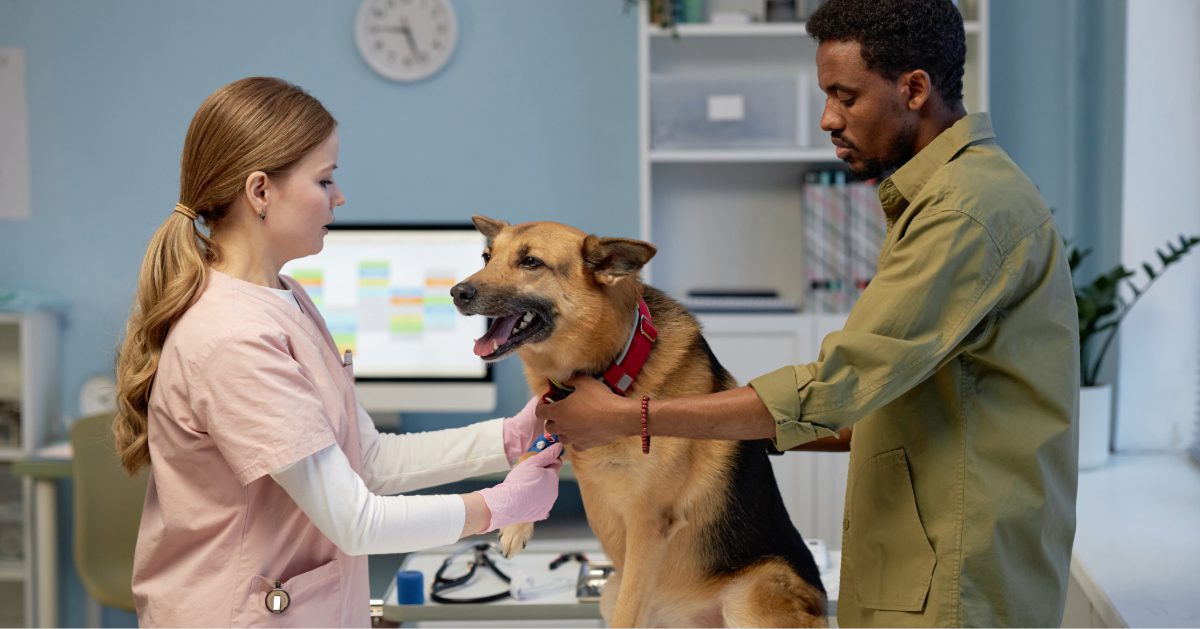
What Are the Common Causes of Dog Limping?
Dog limping can stem from an injury, an underlying joint condition, or something as simple as a foreign object stuck in the paw. The location and severity of the limp often offer clues about the cause, and different breeds and ages tend to be more prone to certain issues than others. Common causes include:
- Sprains or strains from running, jumping, or rough play
- Cuts, punctures, or foreign objects in the paw pad
- Broken nails
- Torn ligaments, especially the cranial cruciate ligament
- Arthritis or joint degeneration
- Hip or elbow dysplasia
- Fractures from trauma
- Insect stings or bites
Sudden vs. Gradual Limping
A dog limping suddenly, especially after playing or exercising, often points to an acute injury like a sprain, cut, or torn ligament. Gradual limping that develops slowly over weeks or months is more commonly associated with arthritis or a developmental joint condition, particularly in larger breeds or senior dogs. Active, athletic dogs that spend a lot of time running or jumping are more prone to sudden soft-tissue injuries, while larger breeds like Labradors, German Shepherds, and Golden Retrievers are more prone to developmental joint issues that show up as a slow-building limp over time.
Puppies vs. Adult Dogs vs. Senior Dogs
Age plays a real role in what’s likely causing a limp. Puppies are more prone to growth-related issues and minor sprains from clumsy play, adult dogs more often deal with acute injuries from activity, and senior dogs are more likely to show gradually worsening limps tied to arthritis or long-term joint wear. Knowing your dog’s age and activity level can help you and your veterinarian narrow down the most likely explanation before any diagnostic testing begins.
How Can I Tell Where the Pain Is Coming From?
Start by watching how your dog is limping. A dog favoring one leg entirely and refusing to put any weight on it, is showing a more significant issue than a dog with a mild, intermittent limp. Gently checking the paw for cuts, swelling, or objects stuck between the toes is a safe first step, but resist the urge to press on or manipulate a leg that seems painful.
Signs That Indicate the Leg or Joint
Swelling, heat, or visible deformity in a specific area usually points to that location as the source of the problem. If your dog yelps or pulls away when a certain spot is touched, that’s a strong clue for your veterinarian during the exam. Pay attention, too, to which leg is affected and whether the limp changes with activity. A limp that worsens after rest and improves once your dog warms up often points to arthritis, while a limp that worsens with activity and improves with rest is more typical of an acute strain or ligament issue.
Should I Let My Dog Walk If They’re Limping?
In most cases, it’s best to limit your dog’s activity and avoid stairs, jumping, or off-leash play until the cause of the limp is identified. Continuing normal activity on an injured leg can worsen the underlying problem, particularly with ligament injuries, which can progress from a partial tear to a complete rupture with continued activity.
Rest and Restriction at Home
Short, leashed bathroom breaks are usually fine while you wait for or schedule a veterinary visit, but crate rest or confinement to a small area is often recommended for anything beyond a very mild, temporary limp. Slick floors can make limping worse, so laying down rugs or yoga mats on hardwood or tile can help your dog move more safely and confidently while you wait for their appointment.
When Should I Take My Limping Dog to the Vet?
You should schedule a visit to Blue Mountain Animal Clinic if the limp lasts more than 24 hours, worsens over time, or if your dog is refusing to bear any weight on the affected leg. Some situations call for immediate, same-day care such as:
- Visible bone, severe swelling, or an obviously misshapen leg
- Non-weight-bearing lameness
- Limping following a fall, car accident, or known trauma
- Signs of significant pain, such as crying out or aggression when touched
- A limp accompanied by fever or lethargy
What Happens During the Exam
Our veterinarians will perform a hands-on orthopedic exam, checking range of motion, joint stability, and pain response in each leg. X-rays are often recommended to rule out fractures, joint changes, or dysplasia, especially if the cause isn’t obvious from the physical exam alone. In some cases, particularly with suspected ligament tears, additional diagnostics such as joint palpation tests or referral for advanced imaging may be recommended to confirm a diagnosis before deciding on a treatment plan.
What Treatment Might Involve
Treatment depends entirely on the cause. Minor sprains often resolve with rest and activity restriction, while more significant injuries like ligament tears may require surgical repair. Chronic conditions like arthritis are typically managed long-term with a combination of weight management, joint supplements, and other supportive care your veterinarian will tailor to your dog’s specific needs.
Can Dog Limping Be Prevented?
While not every cause of dog limping is preventable, here are some tips to help reduce the risk of an injury:
- Keep your dog at a healthy weight to reduce stress on joints
- Trim nails regularly to maintain proper foot posture
- Warm up with a short walk before intense play or exercise
- Avoid high-impact activity on hard surfaces when possible
- Schedule routine wellness exams to catch joint changes early
For dogs already showing early signs of joint wear, low-impact exercise like swimming or leashed walking on grass can help maintain mobility without putting excess strain on sore joints.
Getting Your Dog Back on Their Feet in Sequim
Dog limping can range from a minor, self-resolving issue to a sign of something that needs prompt treatment, and it’s not always easy to tell the difference without a proper exam. If your dog is limping and it isn’t improving quickly, our team at Blue Mountain Animal Clinic can help identify the cause and get them back to comfortable, confident movement. Call us at (360) 457-3842 to schedule an appointment or speak with a knowledgeable member of our team.