

Bad breath may be the first thing you notice, but your pet’s dental health goes much deeper than fresh breath and clean-looking teeth.
Plaque, tartar, inflamed gums, damaged teeth, and infection can develop gradually, and dogs and cats often continue eating and behaving normally even when their mouths hurt. Professional cat and dog teeth cleaning services allow our Sequim, WA team to examine your pet’s mouth closely, identify problems above and below the gumline, and treat dental disease before it progresses further.
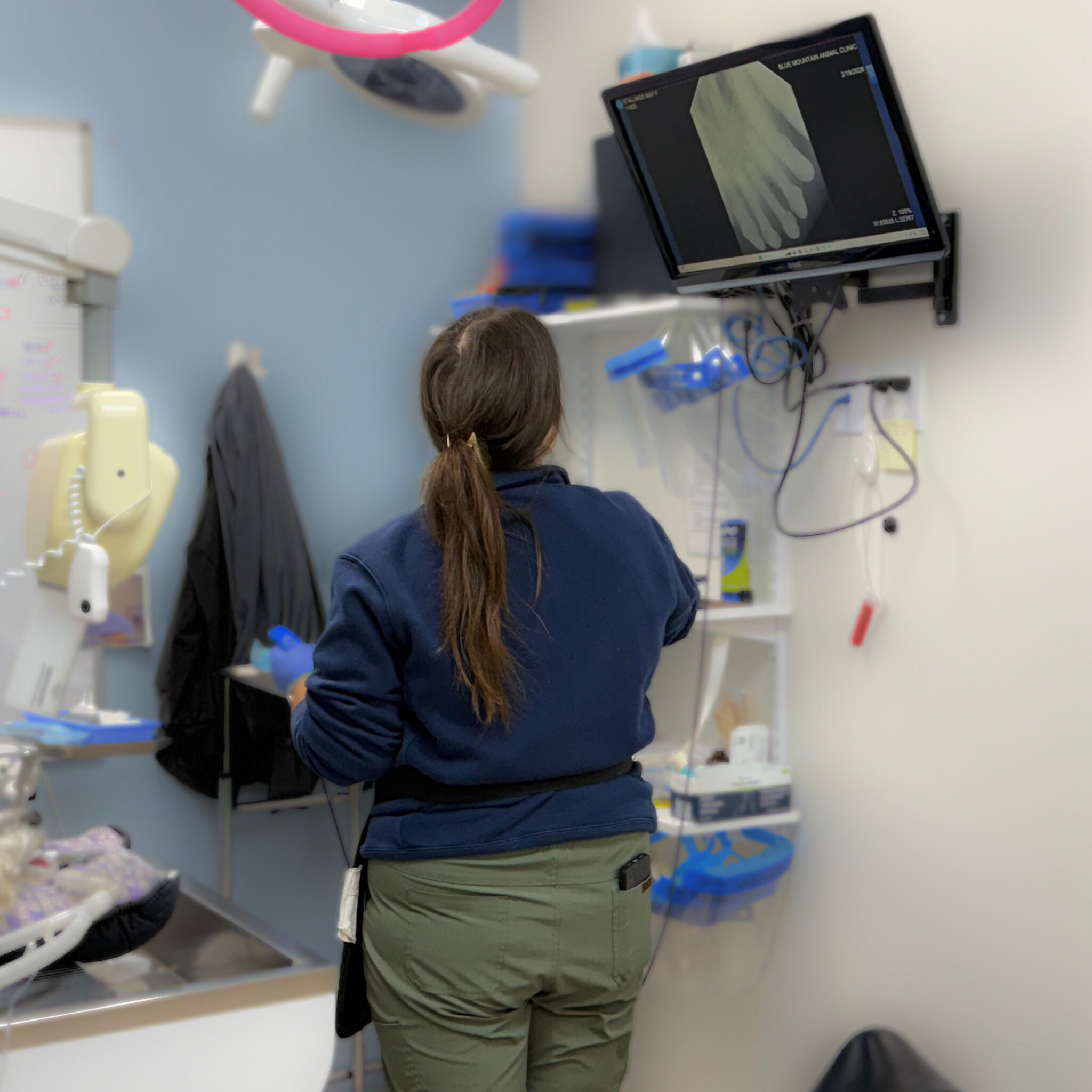
Our veterinary dental services include digital dental X-rays, ultrasonic scaling and polishing, and oral surgery when needed. Our veterinarians have also received training from a board-certified veterinary dentist in evaluating dental disease and performing oral surgery.
Bad breath, tartar, or changes in the way your pet eats can all be reasons to have their mouth checked. Call (360) 457-3842 or request an appointment with our team.
What Are the Signs of Dental Disease in Dogs and Cats?
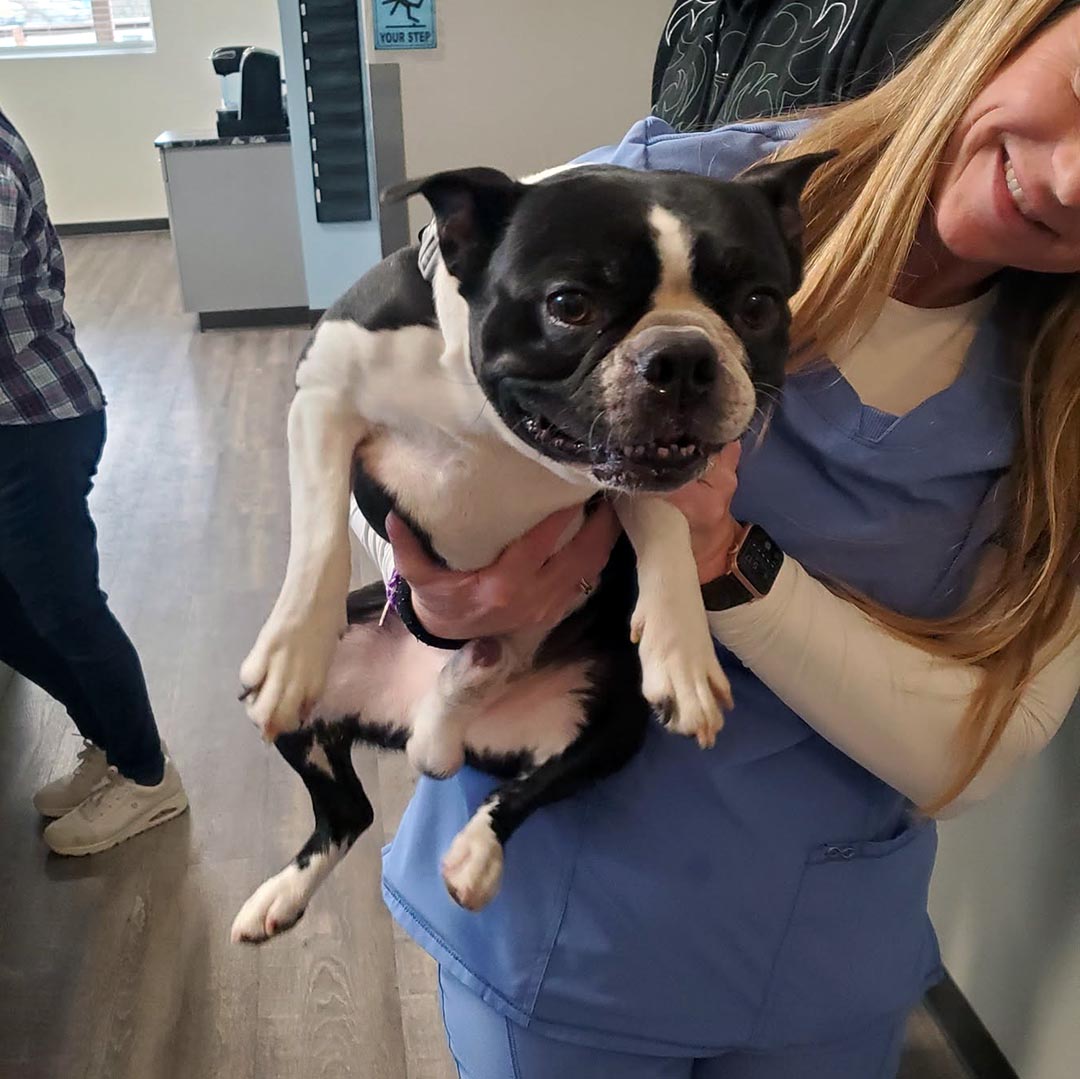
Dental disease often develops quietly. A dog or cat may continue eating even when a tooth or gum tissue is painful, which means dental problems can become more advanced before owners realize something is wrong.
Signs that your pet may need a dental exam include:
- Persistent or worsening bad breath
- Yellow or brown tartar on the teeth
- Red, swollen, or bleeding gums
- Excessive drooling
- Pawing or rubbing at the mouth
- Difficulty chewing
- Dropping food while eating
- Chewing primarily on one side of the mouth
- Avoiding hard food, toys, or chew items
- Loose, broken, or discolored teeth
- Swelling around the mouth or face
- Changes in appetite, activity, or social behavior
What Happens During a Professional Pet Teeth Cleaning?
A veterinary dental cleaning addresses the areas of the mouth that brushing and visible tartar removal cannot reach.
During your pet’s dental procedure, our team evaluates the teeth and gums and cleans both above and below the gumline. Depending on your pet’s individual needs, dental care at Blue Mountain Animal Clinic may include:
Digital Dental X-rays
Many dental problems develop beneath the gumline or within the tooth and surrounding bone. Dental radiographs help our veterinarians identify problems that cannot be diagnosed simply by looking inside your pet’s mouth.
Ultrasonic Scaling
We remove accumulated plaque and tartar from the surfaces of the teeth and beneath the gumline.
Dental Polishing
After scaling, we polish the tooth surfaces to create a smoother finish and help slow new plaque and tartar accumulation.
Bonded Dental Sealant
When appropriate, we can use bonded dental sealants as part of your pet’s dental treatment to help protect damaged tooth surfaces, such as in an uncomplicated crown fracture.
Oral Surgery
Severely damaged, diseased, or loose teeth may need to be removed. Our veterinarians can also address certain minor oral masses when indicated.
All Blue Mountain Animal Clinic veterinarians have received training from a board-certified veterinary dentist to evaluate dental disease and perform oral surgery when needed.
Why Are Dental X-Rays Important for Pets?
A pet can have teeth that look relatively normal above the gumline while disease is developing underneath.
Dental X-rays allow veterinarians to evaluate the tooth roots, surrounding bone, and other structures that cannot be seen during a visual examination. They can reveal problems such as damaged roots, bone loss, abscesses, or other painful dental conditions.
For that reason, dental radiographs give our veterinarians a much clearer picture of your pet’s oral health and help us determine what treatment individual teeth may need.
How Can I Care for My Pet’s Teeth at Home?
Professional dental cleanings and home care work together to support your pet’s oral health.
Daily toothbrushing is one of the most effective ways to reduce plaque between veterinary visits. Starting gradually can help your dog or cat become more comfortable with having their mouth handled.
Our team can show you how to brush your pet’s teeth and recommend dental care options based on their needs. These may include:
- Pet-safe toothbrushes and toothpaste
- Dental diets
- Oral wipes
- Dental chews
- Water additives
Home dental products can help control plaque, but they cannot remove hardened tartar or treat disease below the gumline. If your pet already has red gums, substantial tartar, damaged teeth, or signs of mouth pain, schedule an exam before beginning a new brushing routine.
Frequently Asked Questions About Pet Dental Care
There is no single cleaning schedule that fits every pet. Your veterinarian may consider your pet’s age, breed, tooth alignment, current dental health, home-care routine, and how quickly plaque and tartar accumulate. We evaluate your pet’s mouth during routine visits and can recommend when a professional dental cleaning would be beneficial.
Persistent bad breath is often associated with plaque, tartar, gum inflammation, or dental disease rather than simply being a normal part of having a dog or cat. If your pet’s breath has become noticeably stronger or is accompanied by red gums, visible tartar, drooling, or difficulty eating, an oral exam can help determine what is happening.
Yes. Dogs and cats can continue eating despite painful dental conditions. Some pets subtly change how they eat instead, such as chewing on one side, swallowing food without chewing normally, dropping pieces of food, or avoiding harder treats. Changes in eating habits deserve attention, but normal eating does not necessarily mean your pet’s mouth is healthy.
A complete veterinary dental procedure requires examination and cleaning around every tooth, including beneath the gumline. Dental X-rays also require a pet to remain completely still so clear, accurate images can be obtained. Anesthesia allows the veterinary team to perform these procedures thoroughly while protecting the patient’s airway and preventing movement during treatment.
No. Brushing helps remove plaque from accessible tooth surfaces and is valuable for ongoing prevention, but it cannot remove existing hardened tartar or diagnose disease beneath the gums. Professional veterinary dental care and consistent home care serve different purposes and work best together.
Schedule Your Pet's Appointment Today
Whether you have noticed bad breath and tartar or simply want to stay ahead of dental disease, we can help you build an oral health plan that fits your pet. Give us a call at (360) 457-3842 or book online.